
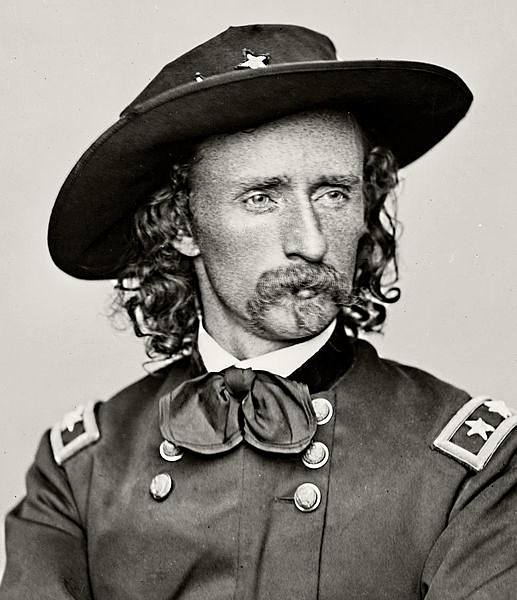
George A. Custer
Lieutenant Colonel George Custer, having left the 7th Cavalry Regiment command – without proper authority – arrived back at Fort Riley, Kansas on July 15, 1867. He would later be court-martialed for this offense. (Custer’s Best: The Story of Company M, 7th Cavalry at the Little Bighorn)
**********
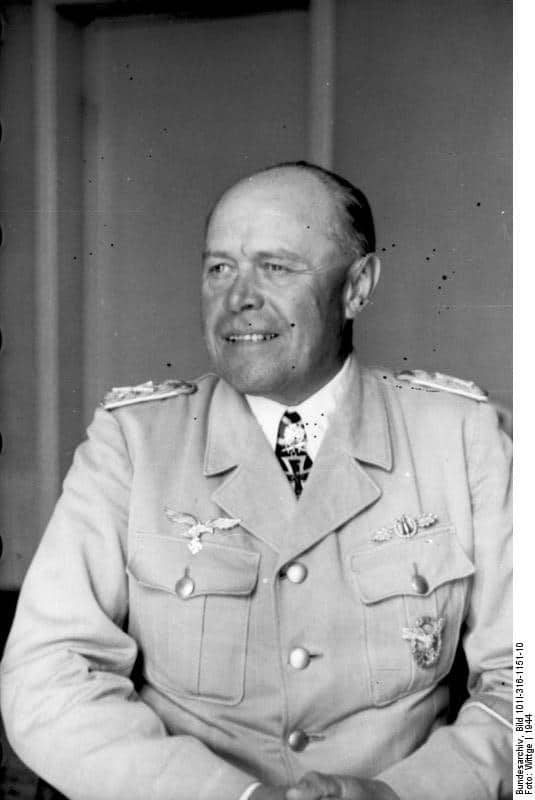
Albert Kesselring
Albert Kesselring, Luftwaffe Field Marshal, born November 30, 1885 in Markstedt bei 15, winner of the Knight’s Cross of the Iron Cross with Oak Leaves, Swords and Diamonds, commander of the 2nd Air Fleet, commander in chief Army Group C, sentenced to death by a British military court in 1947, sentenced commuted to 20 years, released due to ill health in 1952, author Kesselring: A Soldier’s Story, died July 15, 1960 in Bad Nauheim, said of the military concept of blitzkrieg: “I think I may say, without boasting and without depreciating the work of the Army and the Navy, that without the Luftwaffe there would have been no blitzkrieg…” (2,000 Quotes From Hitler’s 1,000-Year Reich)
**********
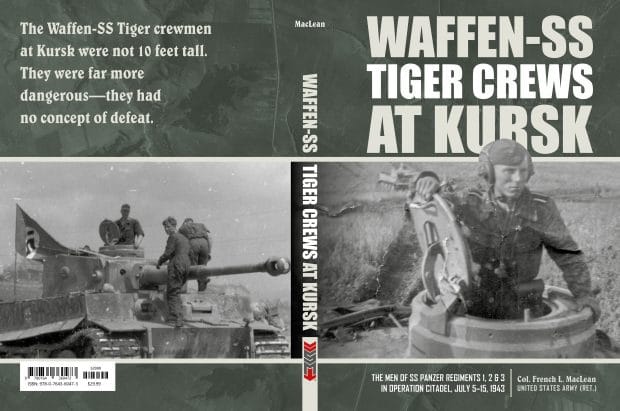
Front & Back Cover New Kursk Book
Das Reich answered at 1105 hours on July 15, 1943 by stating that the defenses near Pravorot’ and the high ground north of it were strongly occupied and that the enemy intended to hold the area. The 8th (Heavy) Company continued the attack to seize Hill 242.7 engaging enemy tanks on the hill. During the fight, an anti-tank round hit the cupola of Tiger S02, with company commander SS-Obersturmführer Philipp Theiss onboard, tearing his head off about 1300 hours. SS-Obersturmführer Walter Reininghaus assumed command of the company. Two other Tigers were hit and immobilized. The attack bogged down short of Pravorot’ as difficult terrain, including a deep balka, echeloned enemy minefields and anti-tank, as well as anti-aircraft guns in an anti-tank role, made the going slow for the last two operational tanks in the company. (Waffen-SS Tiger Crews at Kursk: The Men of SS Panzer Regiments 1, 2 & 3 in Operation Citadel, July 5-15, 1943)